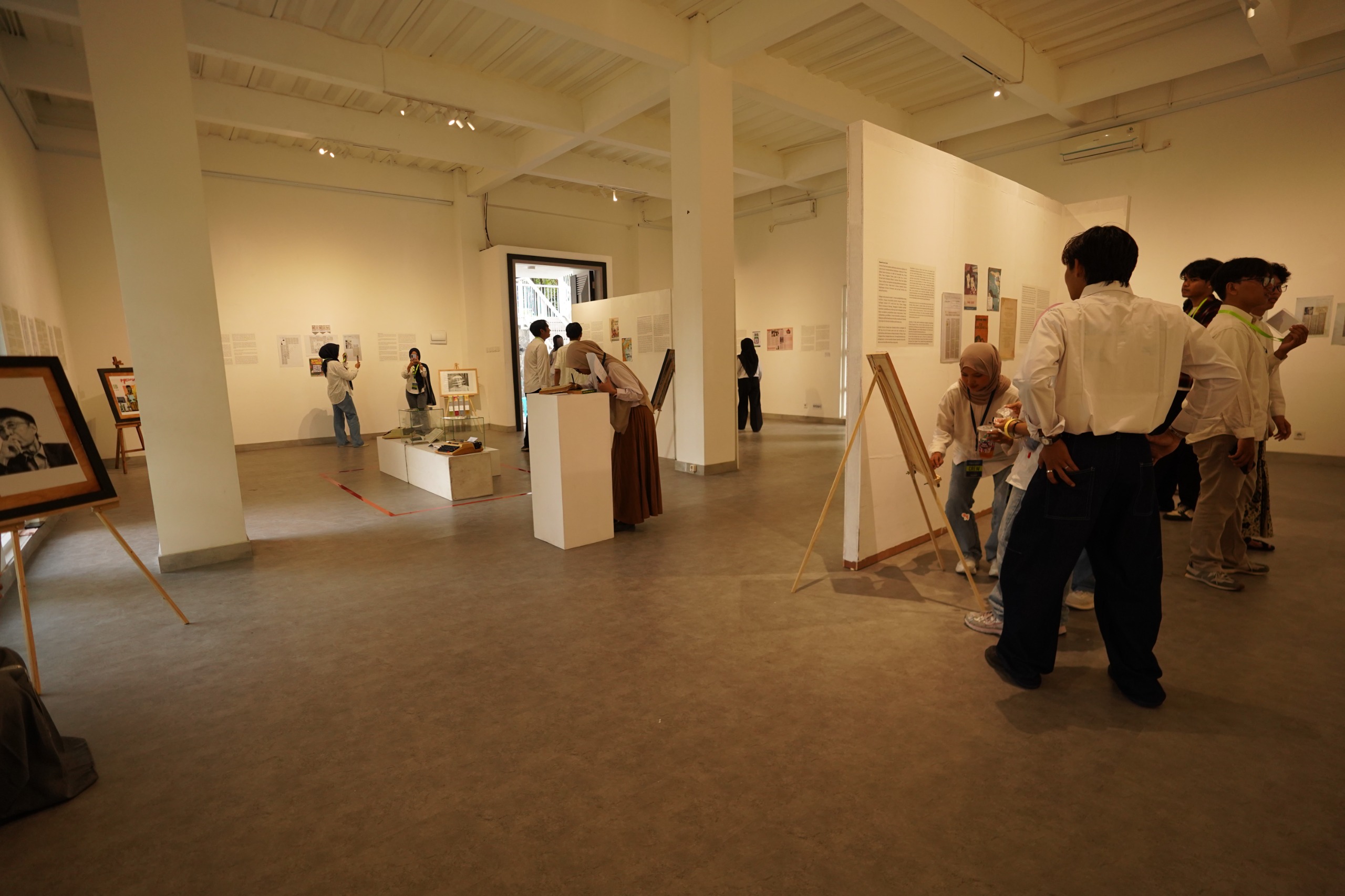


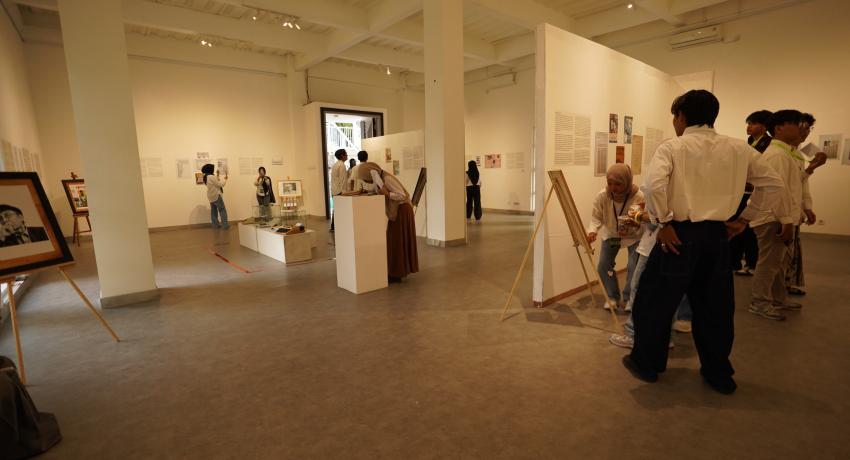
Fourth-semester students of the History Study Program successfully held a temporary exhibition titled “Manusa Rasa: What Remains of Humanity.” The exhibition, which combined history and literature, was held recently at Sangkasa Art Gallery.
The “Manusa Rasa” exhibition was not merely a creative showcase, but also served as the final project for the Museology course. Through the exhibition, students were challenged to directly apply museum theories they had studied throughout the semester, ranging from curation and exhibition design to archive conservation and the development of collection narratives. The main focus of the exhibition was humanist literature. Visitors were invited to explore major ideas about humanity through the works and thoughts of eleven prominent writers.
“The historical exhibition titled Manusa Rasa was presented as an effort to revisit the development of humanist literature through archives, literary works, documentation, and the intellectual traces of writers. The theme was also chosen based on an interest in examining how humanist literature developed amid a repressive political situation, and how writers continued to embed socio-political realities through aesthetic and symbolic approaches,” said Zara, one of the exhibition curators.
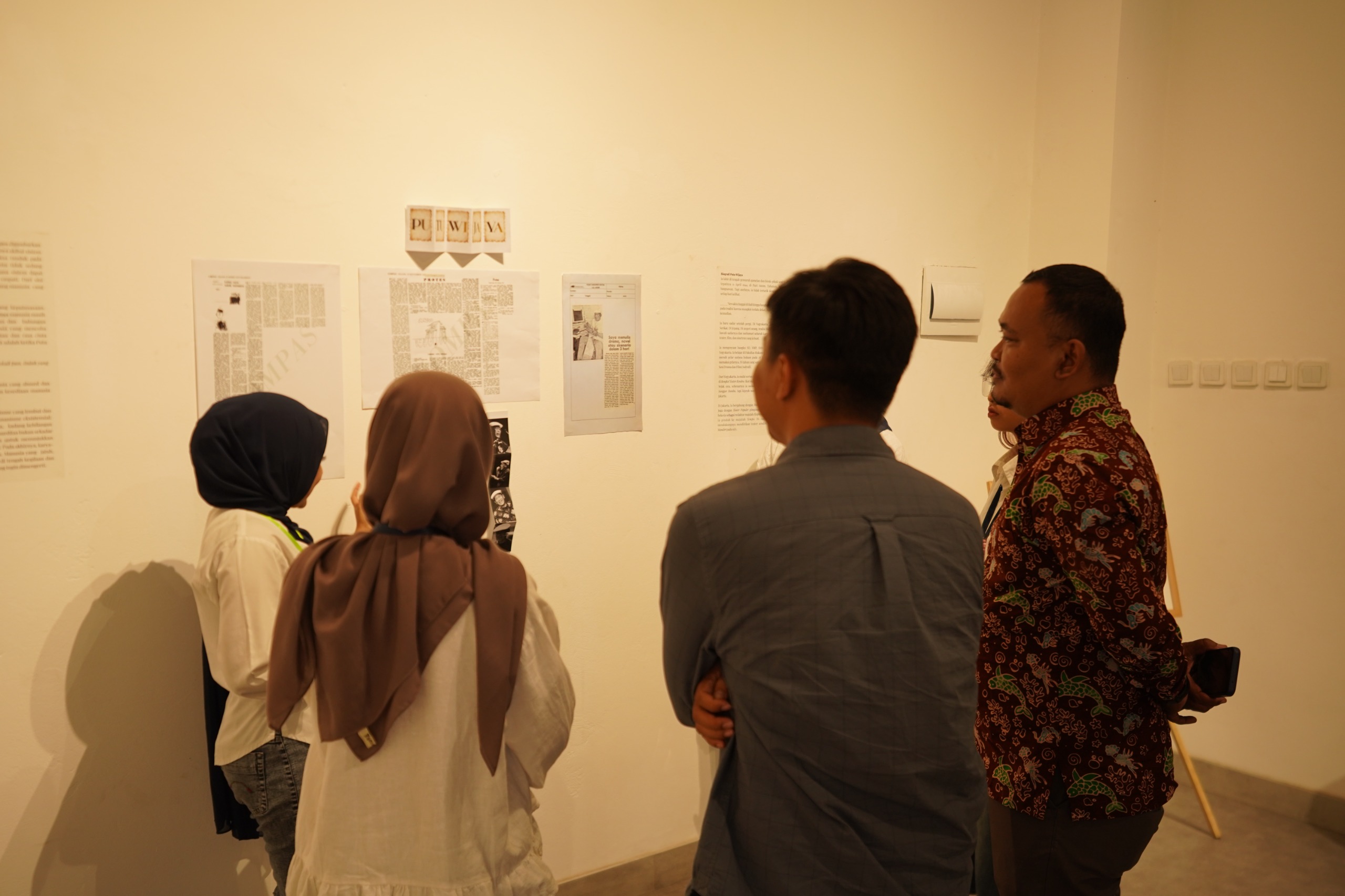
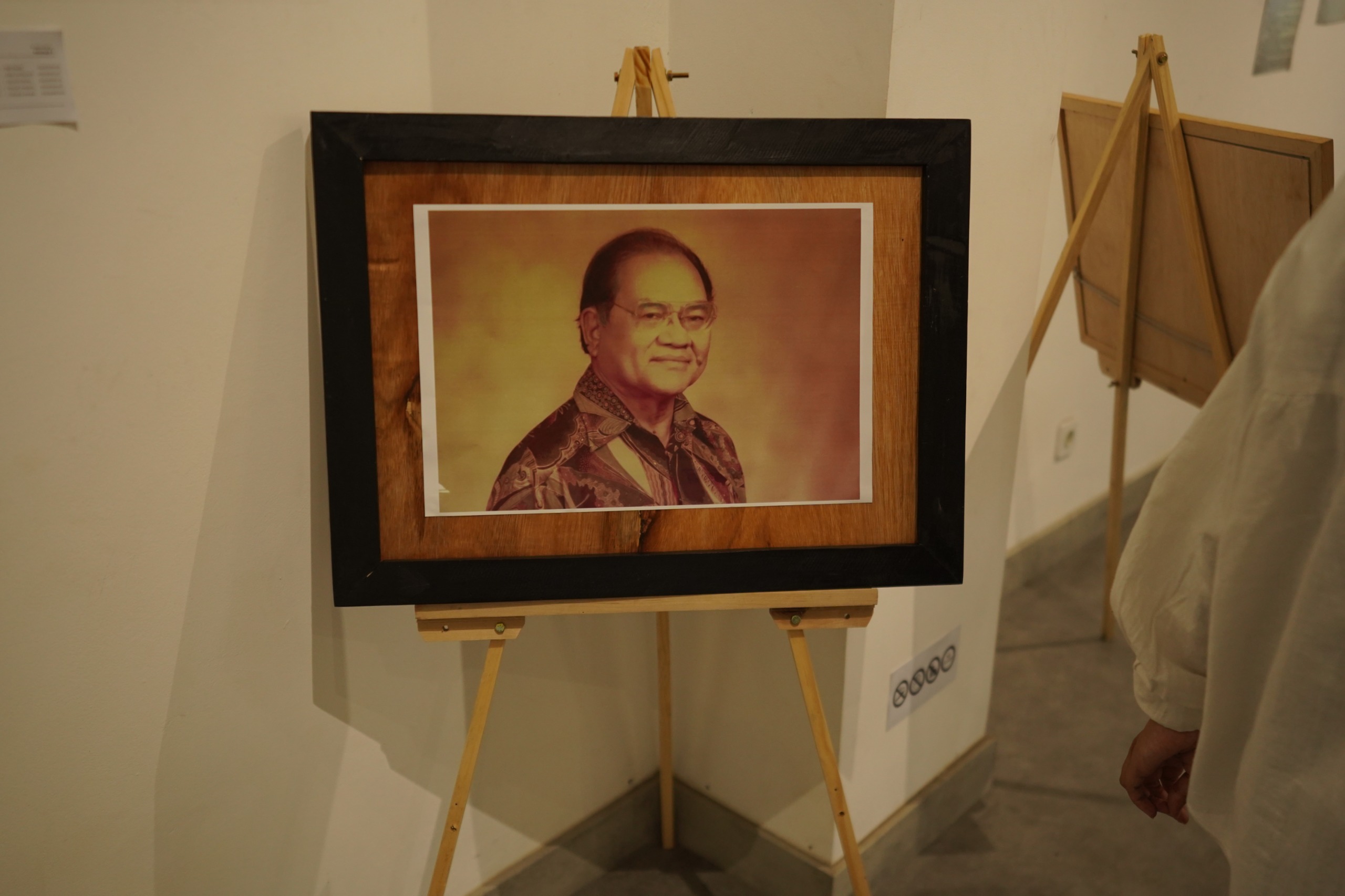
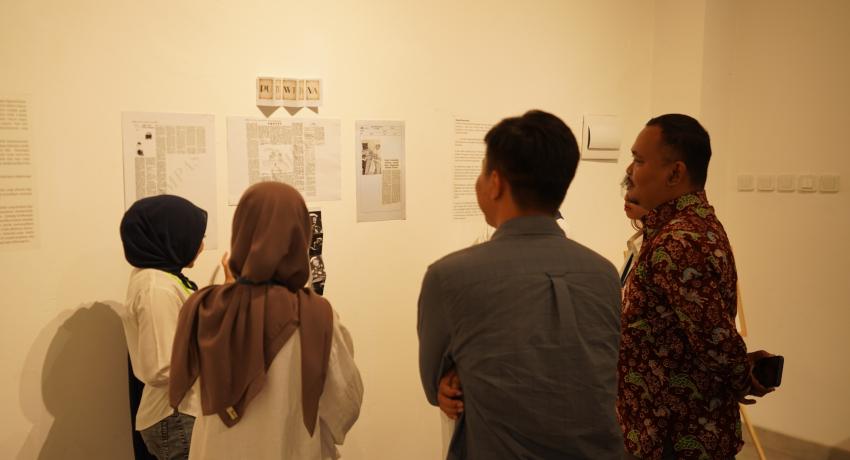
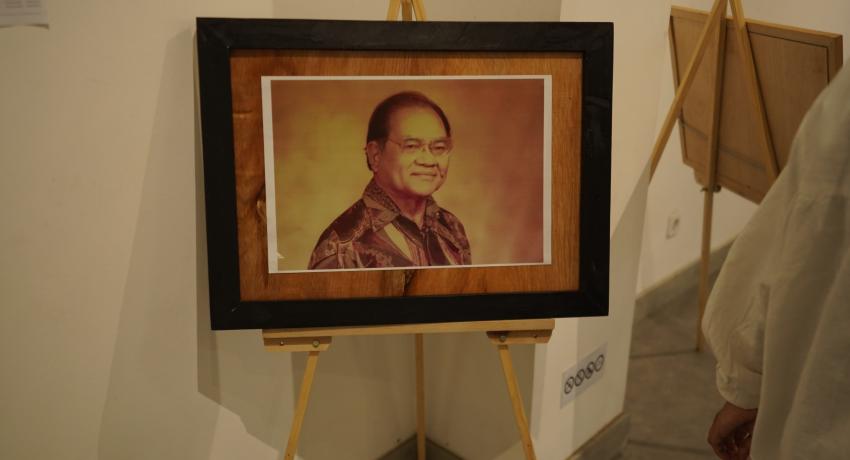
Inside Sangkasa Art Gallery, the works and legacies of the eleven writers were carefully curated. The History students displayed various archives, quotations, portraits of writers, and books representing the literary journeys of the featured figures. This approach successfully transformed literary history into something visual, interactive, and accessible for visitors.
During its three-day run, the exhibition received a warm response. It was attended not only by course lecturers and History students, but also attracted history enthusiasts, literacy activists, and members of the general public. Through “Manusa Rasa,” the 2024 cohort of History students demonstrated that history and literature do not only live within stacks of books, but can also be reconstructed into a temporary exhibition space that is educational, aesthetic, and deeply connected to the most fundamental aspects of humanity.