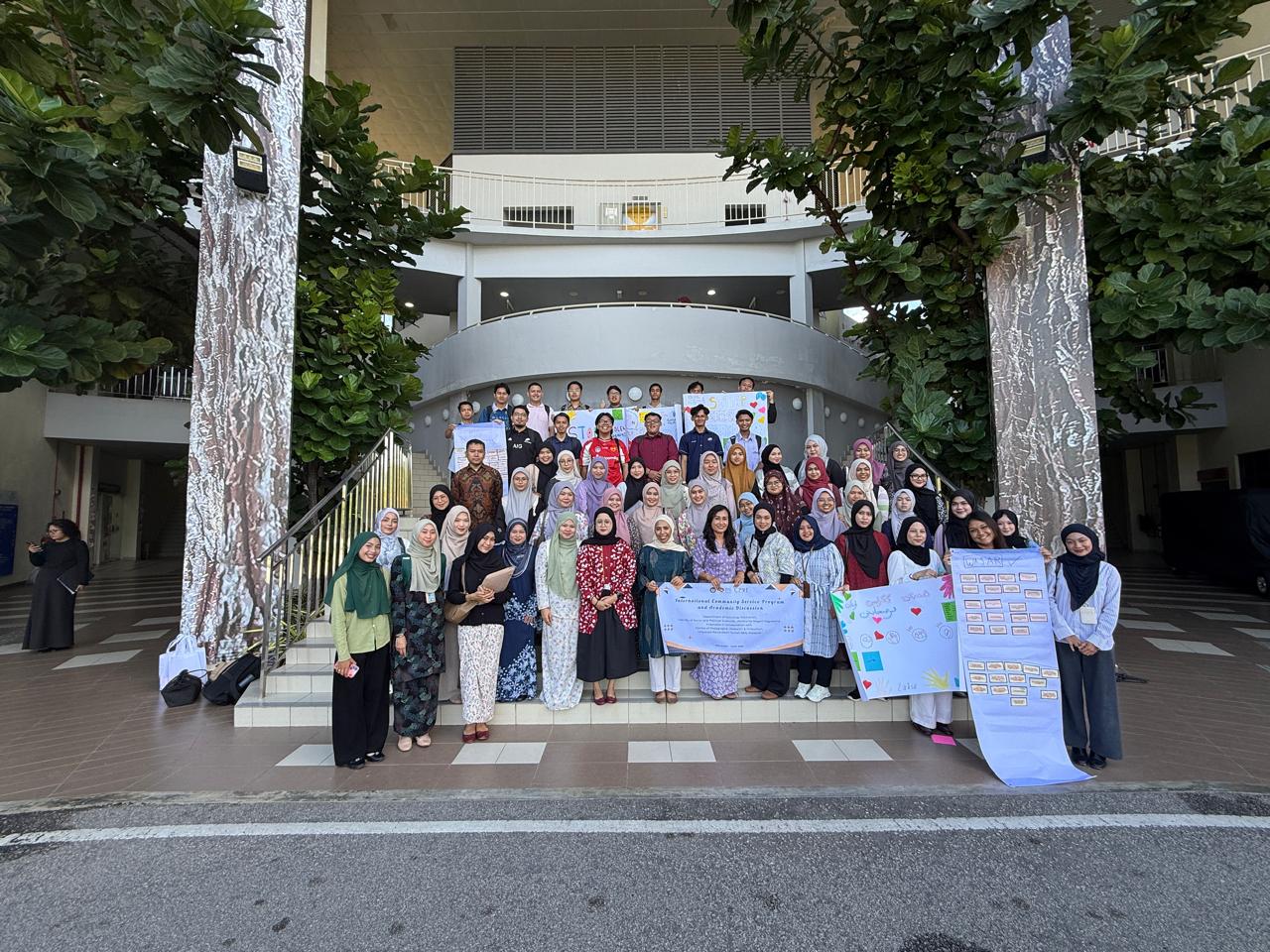


The Community Service Program (PKM) team from the Department of Sociology Education, Faculty of Social and Political Sciences, Universitas Negeri Yogyakarta (FISIP UNY), carried out a series of international collaborative activities in Malaysia. The program was part of an initiative under a long-standing partnership with the Faculty of Human Development, Universiti Pendidikan Sultan Idris (UPSI), Malaysia. The community service activity carried the theme “Building Safe Spaces for Malaysian Youth through Social Education and Healthy Relationship Literacy.” Through the program, both institutions demonstrated their commitment to taking concrete steps toward creating a supportive social environment for the development of today’s younger generation.
The academic and social activities were carried out by the PKM team from Sociology Education FISIP UNY, consisting of Dr. Nur Endah Januarti, S.Pd., M.A., Dr. Grendi Hendrastomo, S.Sos., M.M., M.A., Indra Rahayu Ningsih, S.Pd., M.Pd., Sasiana Gilar Apriantika, S.Pd., M.A., and Dwi Agustina, S.Pd., M.A. The UNY academics worked closely with their partner from UPSI Malaysia, Assoc. Prof. Dr. Norwaliza Binti Abdul Wahab, throughout the implementation of the program.
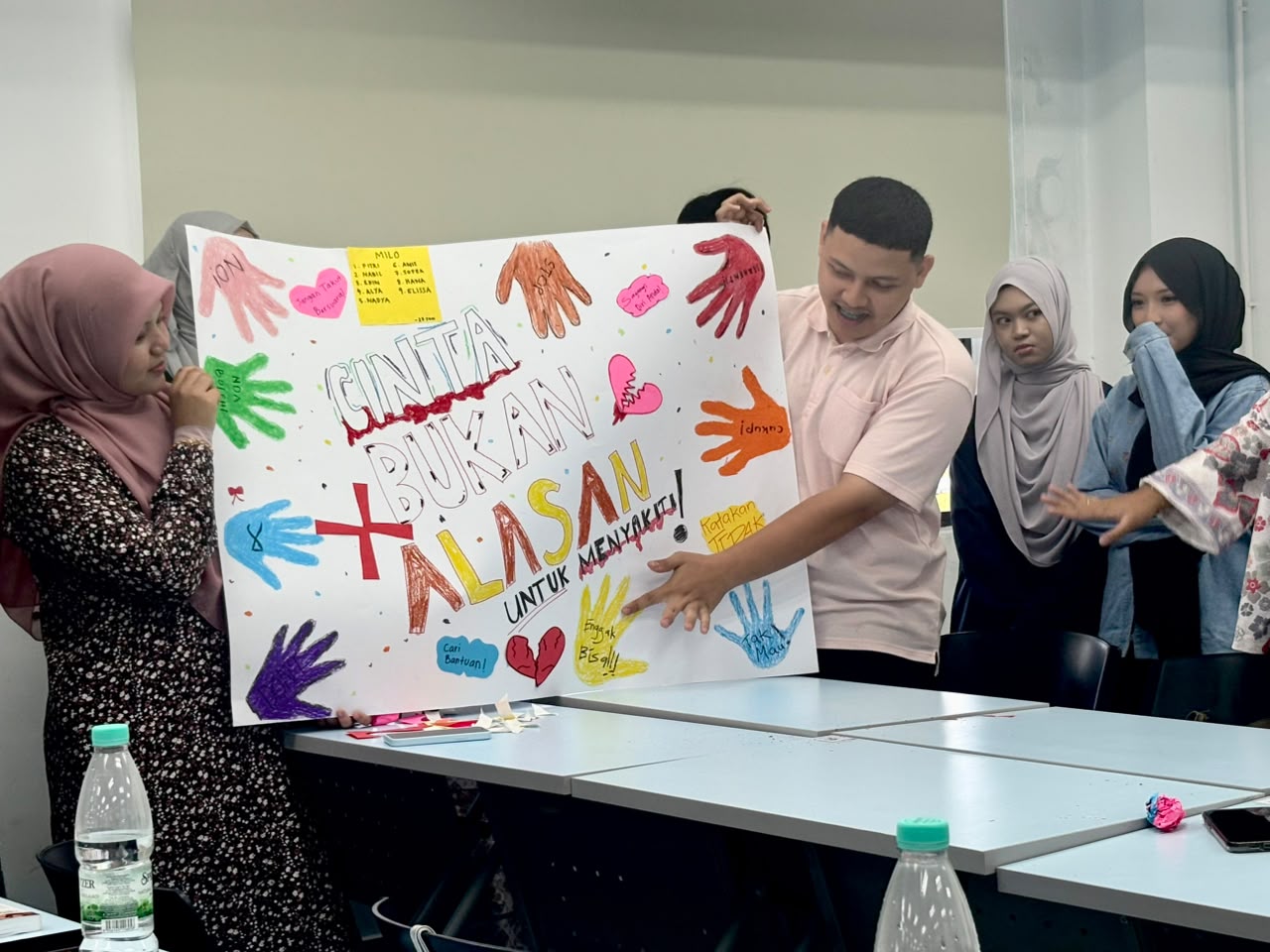
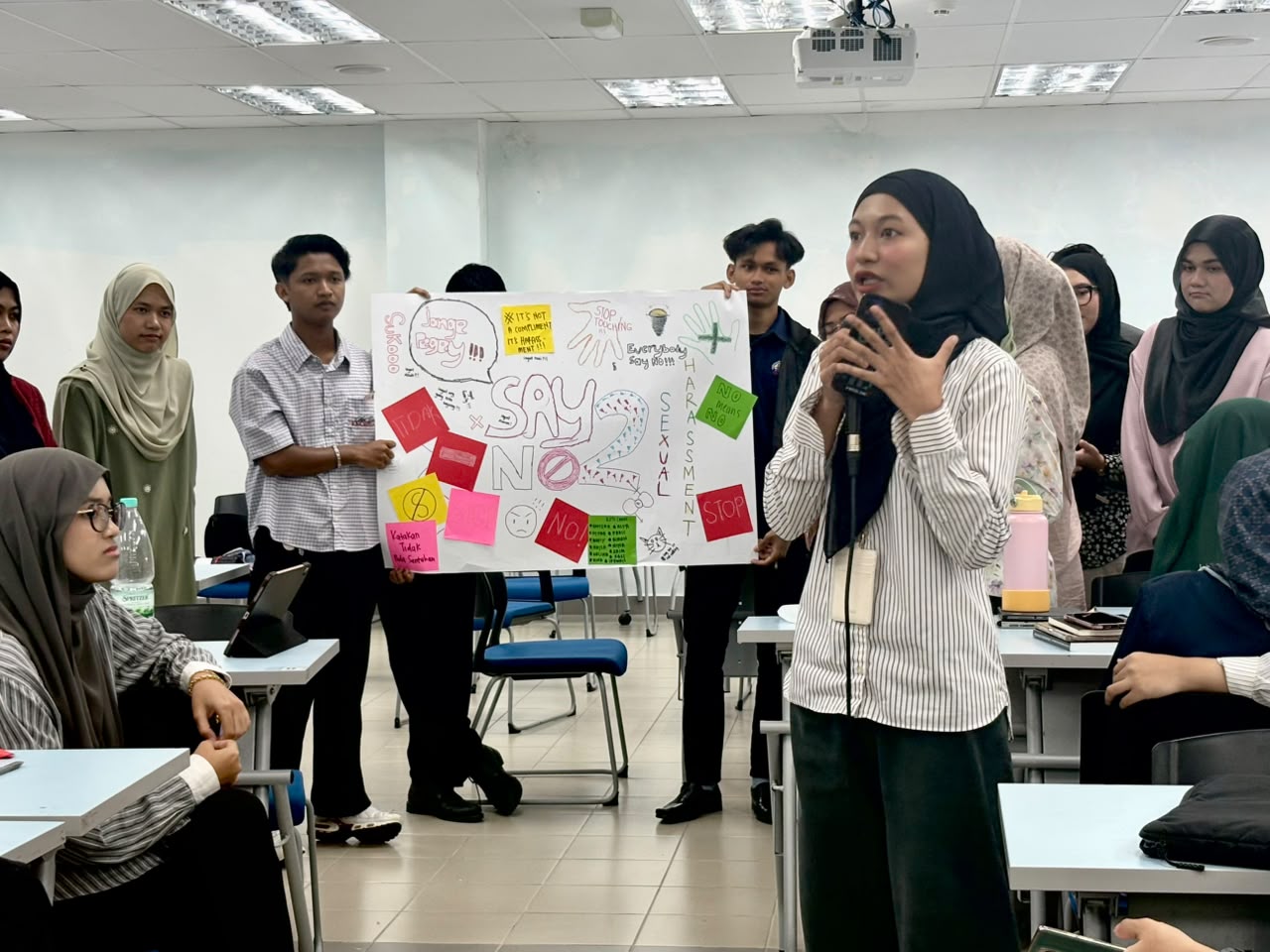
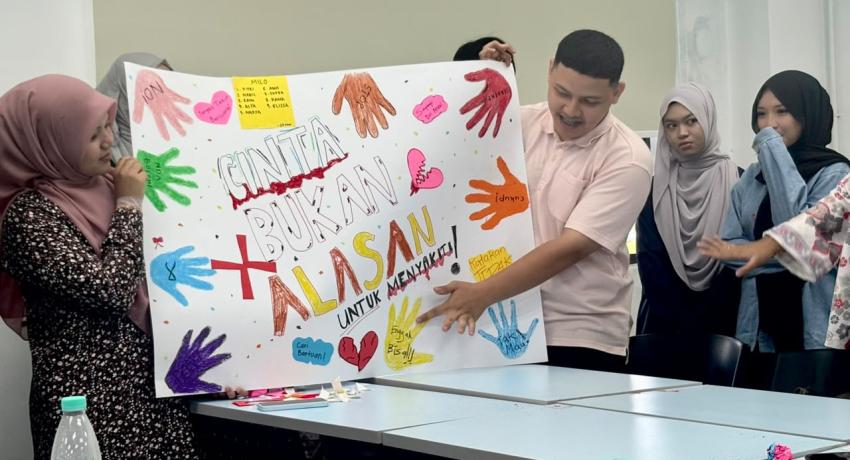
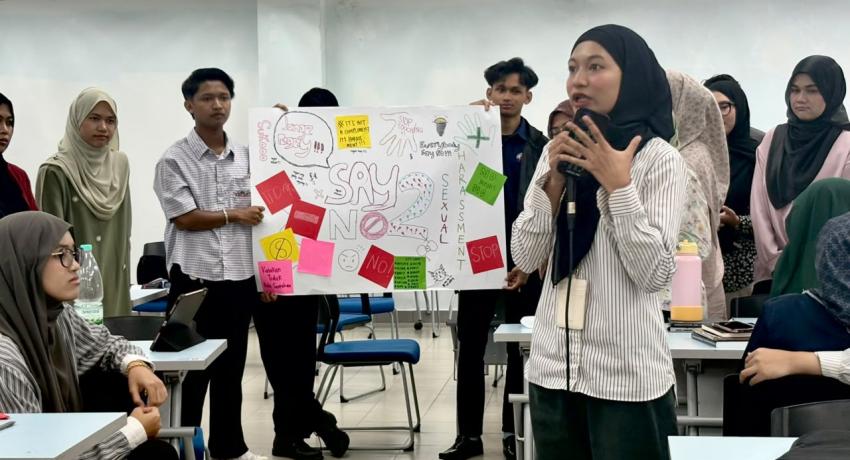
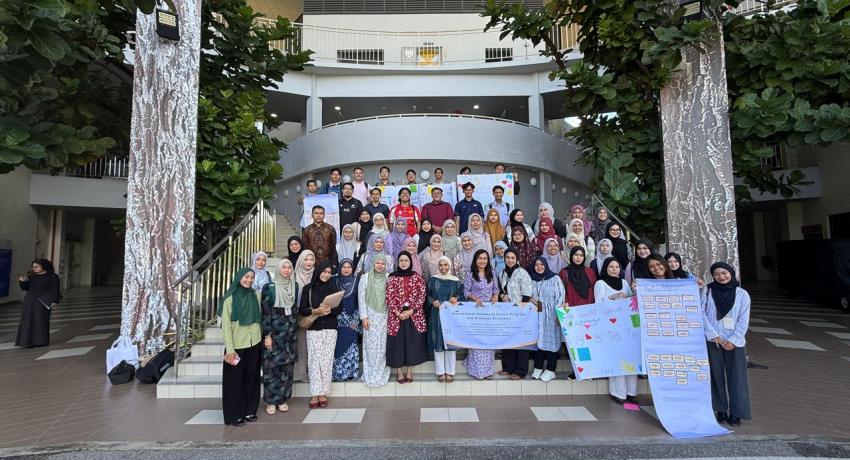
The main community service agenda took place at the UPSI Malaysia campus. A total of 51 Malaysian young people enthusiastically took part in a social education session on the importance of building safe spaces and developing healthy relationship literacy in everyday life. The activity did not stop at the delivery of material. At the end of the session, participants were invited to actively engage in group discussions to create campaigns on efforts to build healthy relationships. The campaigns were designed as a shared commitment to spreading awareness of the importance of healthy relationships within their surrounding communities.
Through this activity, young people were encouraged to understand and recognize the importance of building healthy and equal relationships with their peers in order to avoid various forms of violence, including physical, verbal, psychological, and sexual violence. The program is expected to contribute to the creation of a social environment free from various forms of violence, allowing young people, as the next generation, to grow safely and develop their potential to the fullest.