


What began as an effort to find an alternative to the Community Service Program (KKN) led five Universitas Negeri Yogyakarta (UNY) students to a new path: developing a leather footwear brand now known as Kula Footwear.
Behind the brand is Sarah Oktifa Riffandjani, a student of the English Language Education Program at the Faculty of Languages, Arts, and Culture. Sarah gradually took on a larger role in her family’s leather shoe craft business based in Magetan, East Java. For her, the Entrepreneurial PLK program was not merely an academic requirement, but a starting point to develop a more concrete dream.
“At first, we were only looking for an activity to replace KKN. But since I have a family business in leather shoes, we thought, why not develop it together as a team,” Sarah said on Friday, March 20, 2026.
Together with her four teammates — Laelatul Latifah, Nurfadhila Hidayati, Nicoleta Putri Anjali, and Gheisya Zahra Aulia — Sarah started building Kula Footwear from the ground up. They did not simply sell products, but also developed a brand identity, created marketing strategies, and learned firsthand about the dynamics of running a business.
Each team member played an important role. Laelatul ensured that production flow and customer communication ran smoothly. Nurfadhila brought the brand to life through social media. Gheisya contributed creativity through design and visual content, while Nicoleta maintained the financial stability of the business.
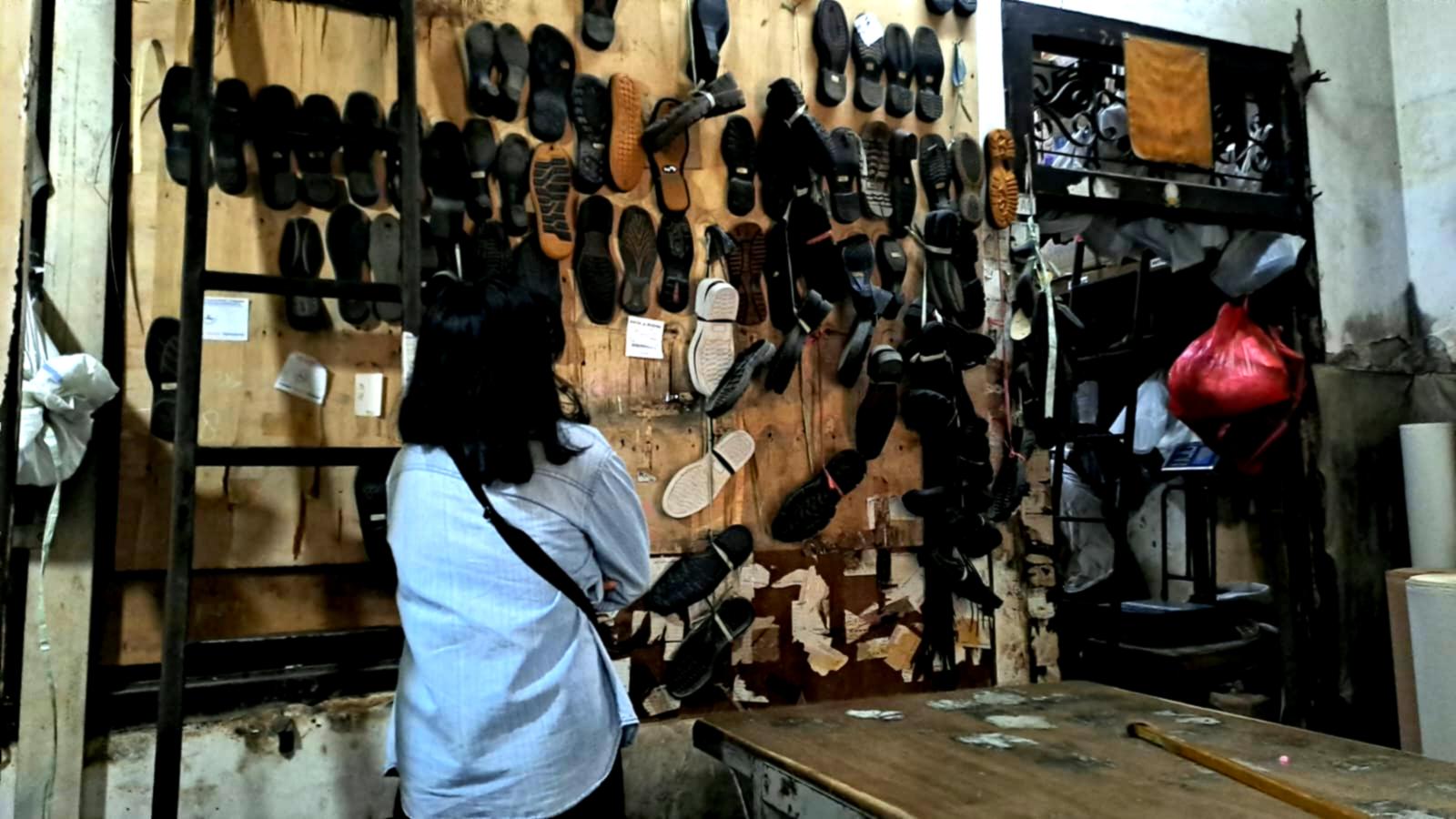
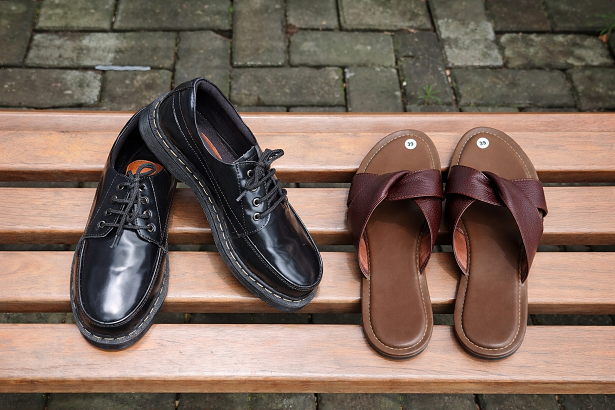
Kula Footwear products are handmade in collaboration with artisans in Magetan. From formal shoes to flat shoes, each pair carries a distinctive touch that emphasizes both quality and aesthetic value. The team has also begun experimenting with eco-print techniques as an environmentally friendly innovation.
However, the journey has not always been easy. With a pre-order-based production system and a production period of up to three weeks, the team must maintain customer trust despite existing limitations. At the same time, balancing lectures and business operations has also become a challenge.
Even so, the results are gradually beginning to show. Within three months, around 30 pairs of shoes were sold to customers in various regions, including Yogyakarta, Bandung, Solo, and Bangka Belitung. While the number may seem modest, it reflects the hard work behind the process.
“The most valuable thing is not only the sales, but also the learning process. We truly experienced what it means to build a business from scratch,” Sarah said.
Throughout the process, the team received guidance from their supervising lecturers, Nur Aulia Wijayanti, S.Pd., M.Pd. and Muhamad Nur Chozin, S.Pd., M.P.A., who helped direct their business strategy and development.
For Sarah and her team, Kula Footwear is no longer merely a PLK project. They hope the brand will continue to grow, reach a wider market, and eventually become a well-established business.
“We want Kula Footwear to keep growing and not stop here. Hopefully, in the future, it can enter marketplaces, take part in expos, and become more widely known,” she said.
The story of Kula Footwear shows that students do not only learn in the classroom, but can also create real opportunities through innovation and the courage to try. The Entrepreneurial PLK program serves as a bridge connecting academic learning with direct experience in the field.
This activity also supports the achievement of the Sustainable Development Goals (SDGs), particularly SDG 4 on Quality Education through experience-based learning, SDG 8 on Decent Work and Economic Growth by encouraging student entrepreneurship, and SDG 12 on Responsible Consumption and Production through the development of innovative and sustainable handmade products.